Free delivery on orders over $80 — shop the collection

Retro-Reset

Collector Guides

Written by someone who's graded 1,600+ carts. No filler, no affiliate links.

Start here

How to spot a reproduction cartridge

Reproductions have gotten good enough to fool a quick glance. The label print is usually the first tell — genuine Sega labels use a specific glossy stock and the colour registration is dead accurate. Reproductions run slightly duller or the colours bleed at the edges.

Open it up if you can. Genuine boards use Sega-specific screw heads (usually a security bit, not a standard Phillips) and the ROM chip markings match known part numbers. A generic flash chip glued in is the giveaway.

Shop tested carts
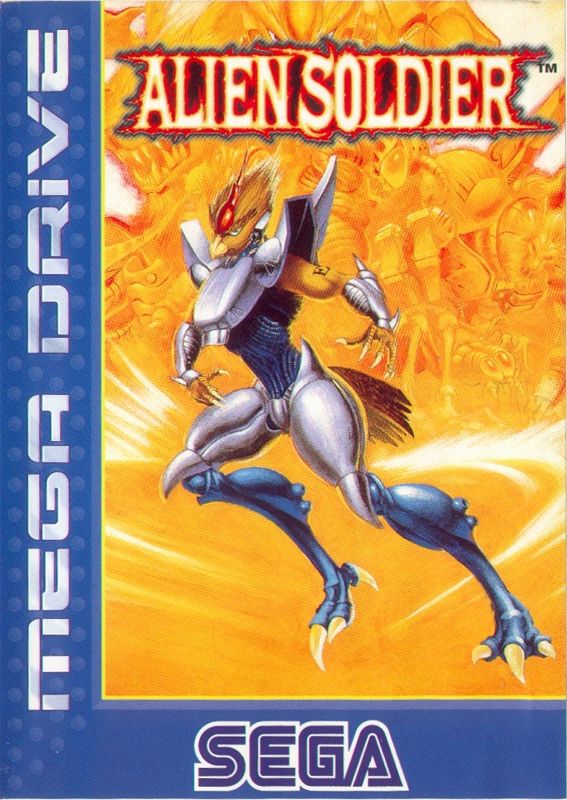
Alien Soldier box art
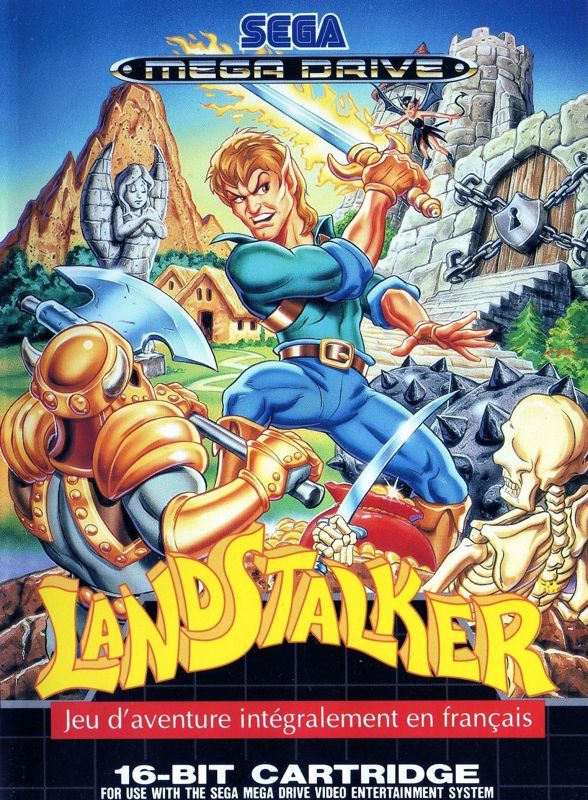
Landstalker box art
Grading4 min read

Reading our condition grades

"Cart only" and "complete in box" mean nothing until you know what we actually check for each.

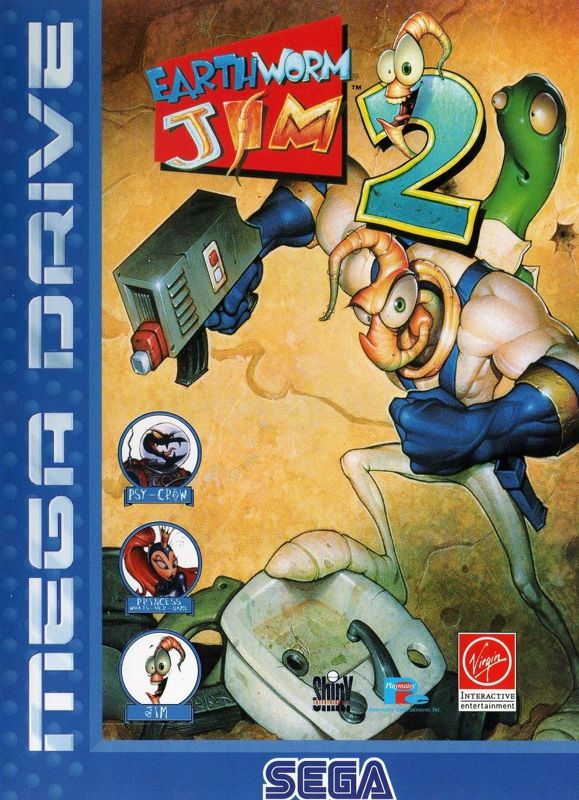
Earthworm Jim 2 box art
Care6 min read

Cleaning cartridge contacts without wrecking them

Isopropyl alcohol and a soft cloth. Never a pencil eraser — it wears the gold plating off.

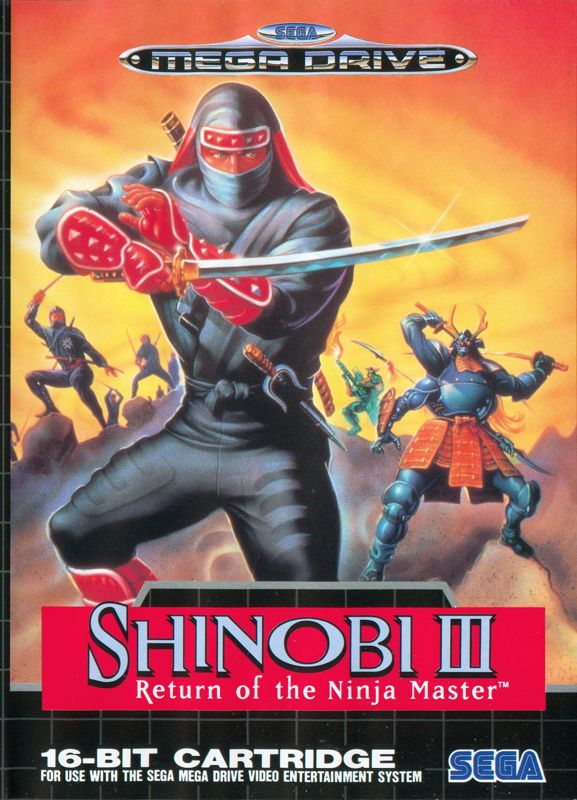
Shinobi III box art
Diagnosis7 min read

What a black screen is actually telling you

Usually not a dead cart. Dirty contacts, a worn connector, or a bad battery — in that order.

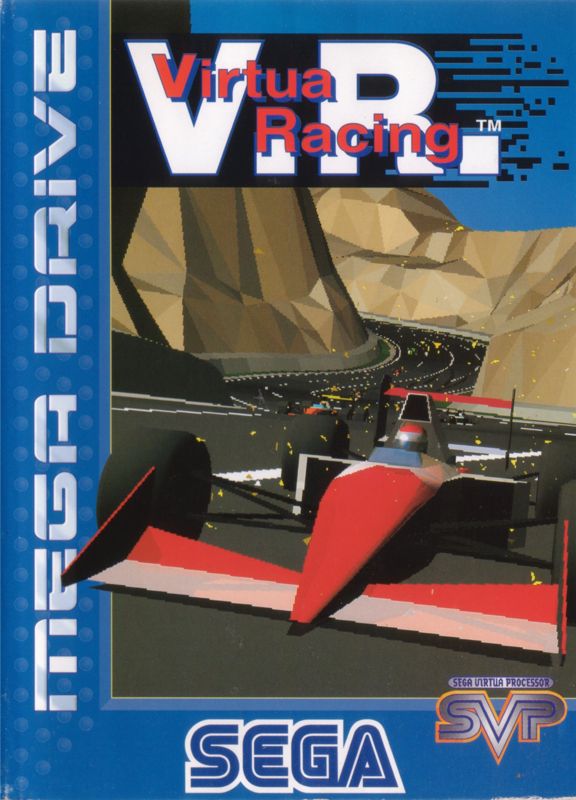
Virtua Racing box art
Storage5 min read

Storing carts so they last another 30 years

Upright, out of direct sun, away from damp. Label fade and cart rot both start with humidity.

Sonic the Hedgehog 3 box art
Buying4 min read

PAL vs NTSC — what actually matters

Region locking on Mega Drive is mostly a myth. Frame rate and screen borders are the real difference.

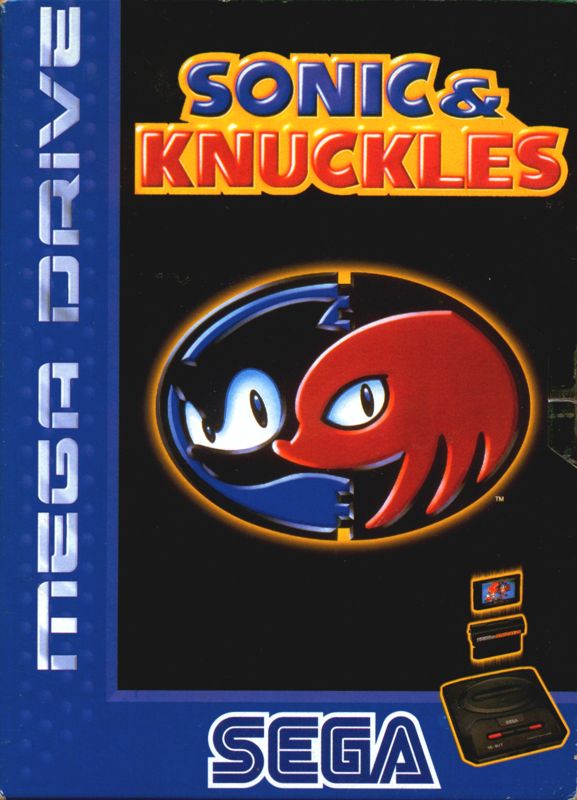
Sonic & Knuckles box art
History9 min read

Ten years of chasing NZ's Mega Drive collection

From a single Sega 1000 in 1986 to 1,600+ carts — what changed, and what stayed the same.